How to Plan a Seasonal Catholic Feast Day Menu (Easy Guide)

One of my favorite parts of celebrating the liturgical year is planning the meal.
I’m a firm believer that meals don’t have to be (and should not be) an elaborate event. The whole point of breaking bread is to slow down and enjoy the present moment with family and friends. A simple dinner can mark a feast day in a way that flowers or decorations sometimes can’t. Plus – we remember the food and the company, not the centerpiece!
I also believe that feast day cooking does not require meal prep. The best meals are the ones we can make out of what we already have in the kitchen.
Instead of hunting down ingredients that are expensive, out of season, or impossible to find, you can start with what’s already growing or on sale in the market.
When nature cooperates, my summer garden is full of tomatoes, basil, zucchini, and herbs. In the fall, apples and squash are everywhere. Winter means soups, beans, homemade bread, and meals that simmer on the stove while the house fills with tasty aromas.
This isn’t a new idea. For most of history, families simply cooked with what the season provided. The saints themselves would have done the same!

Understanding Seasonal Ingredients
Cooking with the seasons is one of the simplest ways to celebrate feast days without adding more work to your life.
Seasonal produce usually tastes better, costs less, and is easier to find. Rather than planning a menu first and then searching for ingredients, I often do the opposite. I look at what’s in season, what’s growing in my garden or on sale at the market, and then build a meal around those ingredients.
Don’t overthink it! Some key ingredients that make each season unique…


Planning Your Feast Day Menu
Sometimes I look at beautiful feast day spreads online and think, I could never do that on a Tuesday after work. If that’s you, too… you are not alone.
Most of us don’t have all afternoon to cook. I’m usually driving home at that time.
That’s why I almost always build dinner around one featured dish. Sometimes, that’s all there is (hello, one pot meals!)
Everything else is simple.
My menu planning consists of the following questions:
- What day of the week does the feast fall on?
- How much time do I actually have?
- What ingredients do I already have?
- What’s in season?
- Is there a traditional food connected to this saint?
Once I answer those questions, the menu usually comes together pretty quickly.
Most feast day meals at our house include:
- fresh bread or a simple appetizer
- one main dish
- a vegetable or salad
- a dessert if time allows
That’s enough.
For the Feast of St. James, I might serve grilled fish with tomatoes, olive oil, crusty bread, and an almond dessert inspired by Spain.
For The Feast of Padre Pio, I might make minestrone, bruschetta, and a simple pastiera.
Notice that neither menu is especially complicated.
I can usually pull these together within an hour or two on an regular Wednesday night.
I think that’s important.
Liturgical living shouldn’t become another source of pressure. It should help us notice God’s presence in ordinary family life.

Honoring the Saints Through Food
One of my favorite parts of researching feast days is learning what people have traditionally eaten around the world.
Sometimes there is an actual feast day recipe that’s been passed down for generations.
Other times, there isn’t, and I find myself delving deep into historical documents and ancient cookbooks. But that’s just the history geek in me.
I look at where the saint lived and what foods would have been common there at the time in which they lived.
Italian saints may have enjoyed pasta or polenta, soups, crusty bread, olive oil, and fresh garden vegetables.
Spanish saints may have shared seafood, peppers, grilled meats, and lots of paprika.
Saints from France might call for rustic chicken dishes or simple fruit desserts.
You get the picture…
Sometimes I think about the saint’s life.
A missionary saint might inspire me to make dishes from the places where they served, such as traditional Indian cuisine for the Feast of Saint Thomas.
A fisherman such as Saint Peter naturally makes me think of seafood.
A monk might mean I make a humble meal of bread, beans, herbs, and vegetables. Check out the recipes I found for Saint Francis of Assisi.
None of these have to be historically perfect. They’re simply ways to help your family connect the meal to the person you’re celebrating. And honestly, any conversation around the dinner table is the best part of any meal.

Recipe Ideas and Tips
One thing I’ve learned over the years is that you don’t need dozens of feast day recipes or a binder full of recipes you rarely use.
You only need a handful of dependable ones that your family genuinely enjoys.
Over time, those recipes become traditions. Just as fish is synonymous with Christmas Eve, and a roast lamb for Easter, why not make a new tradition for Michaelmas or Ember Days? Feast Days that used to be celebrated on a routine basis?
These new-but-old feast days can become a beautiful thing.
Some of my favorite recipes throughout the year, that can be made for several feast days, include:
Spring
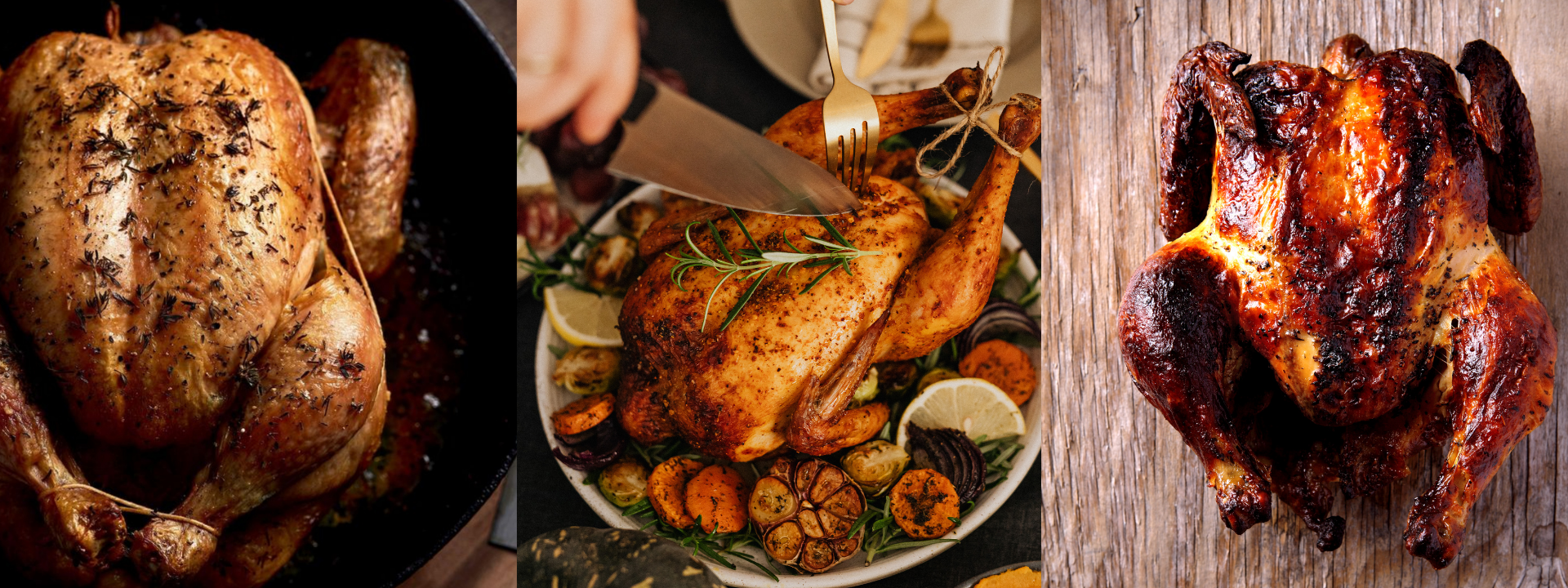
- Herb Roasted Chicken
- Galettes of Quiches
- Pea Soups or Minestra
- Plain fluffy cakes
- Strawberry desserts
Summer
- Grilled fish or lamb chops with herbs
- Stuffed Zucchini
- Pasta tossed with summer vegetables
- Fresh tomato and cucumber salads
- Creams and No-Bake Desserts
Autumn
- Chicken Soups and Vegetable Stews
- Pumpkin soups
- Apple Cinnamon cakes and Banana Breads
- Braised meat or chicken
- Roasted root vegetables
Winter
- Bean soups
- Beef stews
- Homemade bread
- Pasta with thick sauces
- Puddings and Pies
Don’t feel like you need to reinvent the wheel every feast day.
In fact, I hope you don’t.
Traditions are built by repetition. That’s really what we’re after.
Not perfection.
Not an Instagram-worthy table.
Just a family gathered around a meal, giving thanks to God, remembering the saints, and slowly allowing the liturgical year to shape the rhythm of everyday life.